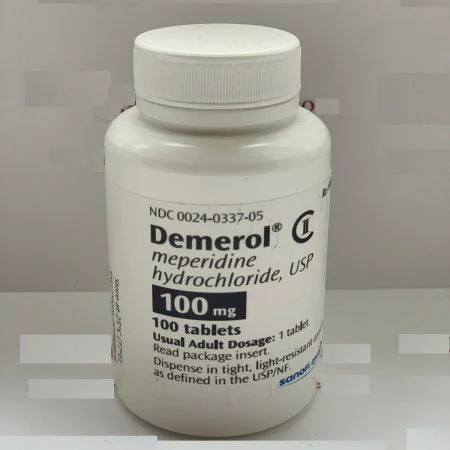
Demerol 100mg (Meperidine) – Prescription Pain Management Medication (USA)
Demerol 100mg, containing the active ingredient meperidine, is a prescription opioid analgesic used in the United States for the management of moderate to severe pain in clinical settings where alternative pain treatments are inadequate or not appropriate. Demerol has been used in medical practice for many years and is prescribed under strict professional supervision due to its effects on the central nervous system.
Because of its potency and opioid classification, Demerol is typically reserved for carefully selected patients and short-term use. Its administration is guided by a licensed healthcare provider who evaluates individual medical needs, pain severity, and overall health status.
What Is Demerol (Meperidine)?
Meperidine belongs to the opioid analgesic class of medications. It works within the central nervous system (CNS) to modify the way pain signals are transmitted and perceived by the brain. By altering pain perception, Demerol can help reduce discomfort in situations where pain is significant and requires medical intervention.
In the United States, Demerol may be prescribed for pain associated with:
-
Post-surgical recovery
-
Acute injury or trauma
-
Severe procedural pain
-
Certain medical conditions requiring short-term opioid therapy
Each formulation containing 100mg of meperidine is designed to provide controlled and measurable pain relief when administered according to professional guidance.
How Demerol Works
Demerol functions by binding to opioid receptors in the brain and spinal cord. These receptors are involved in regulating pain perception and emotional response to pain. When activated, meperidine reduces the intensity of pain signals and alters how the body responds to discomfort.
In addition to pain relief, Demerol may produce calming effects due to its action on the central nervous system. This mechanism is why professional oversight is essential, as careful monitoring helps ensure effective pain control while minimizing risks associated with opioid therapy.
Medical Use and Clinical Considerations
In modern medical practice, Demerol is typically prescribed for short-term pain management rather than long-term use. Healthcare providers consider factors such as age, kidney function, liver health, and concurrent medications before prescribing meperidine.
Demerol is not usually considered a first-line pain medication but may be selected when:
-
Other opioid or non-opioid treatments are ineffective
-
A specific clinical situation warrants its use
-
Close medical monitoring is available
Its use reflects a tailored medical decision based on patient-specific needs.
Controlled Substance Status (USA)
In the United States, meperidine (Demerol) is classified as a Schedule II controlled substance under the Controlled Substances Act. This classification indicates that while it has recognized medical uses, it also carries a higher potential for misuse and dependence compared to Schedule IV medications.
Because of this classification:
-
Demerol is available by prescription only
-
Prescribing and dispensing are tightly regulated
-
Ongoing patient monitoring is required
Patients must follow all medical instructions and legal requirements associated with Schedule II medications.
Quality, Authenticity, and Safety
Authentic Demerol products are manufactured in compliance with strict pharmaceutical standards to ensure quality, accuracy, and consistency. Proper labeling, controlled distribution, and secure handling help protect patient safety throughout the supply chain.
In the USA, Demerol should only be obtained through licensed healthcare providers and authorized pharmacies. This ensures authenticity and reduces risks associated with improperly sourced medications.
Possible Side Effects
As with all opioid medications, Demerol may cause side effects. The likelihood and severity depend on individual health factors and treatment duration.
Common side effects may include:
-
Drowsiness or sedation
-
Nausea or vomiting
-
Constipation
Less common effects:
-
Sweating
-
Mood changes
-
Headache
Serious side effects (rare) require immediate medical attention, particularly breathing difficulties, severe confusion, or loss of consciousness.
Precautions and Warnings
Demerol should be used only under close medical supervision and for the shortest duration necessary. It may not be suitable for individuals who:
-
Have respiratory disorders
-
Have kidney or liver impairment
-
Have a history of substance misuse
-
Are elderly or medically fragile
-
Are pregnant or breastfeeding (unless specifically prescribed)
Abrupt discontinuation after extended use should be managed by a healthcare provider to reduce withdrawal risks.
Drug Interactions
Meperidine may interact with other medications and substances, including:
-
Alcohol
-
Other opioids
-
Sedatives or tranquilizers
-
Certain antidepressants (especially MAO inhibitors)
Patients should disclose all medications and supplements to their healthcare provider before receiving Demerol.
Storage and Handling
Demerol should be stored according to pharmacy and manufacturer guidelines, away from heat, moisture, and unauthorized access. As a Schedule II medication, it should be secured and never shared with others.
Demerol 100mg – Product Specifications
| Feature | Details |
|---|---|
| Active Ingredient | Meperidine |
| Brand Name | Demerol |
| Strength | 100mg |
| Medication Class | Opioid Analgesic |
| Use | Moderate to severe pain |
| Administration | As prescribed (clinical guidance required) |
| Legal Status (USA) | Prescription-only, Schedule II |
Summary
Demerol 100mg (meperidine) is a prescription opioid analgesic used in the United States for short-term management of moderate to severe pain under professional supervision. Its classification as a Schedule II controlled substance highlights the importance of careful prescribing, patient education, and strict adherence to medical guidance. When used responsibly, Demerol provides effective pain control in appropriate clinical situations.
Reviews
There are no reviews yet.