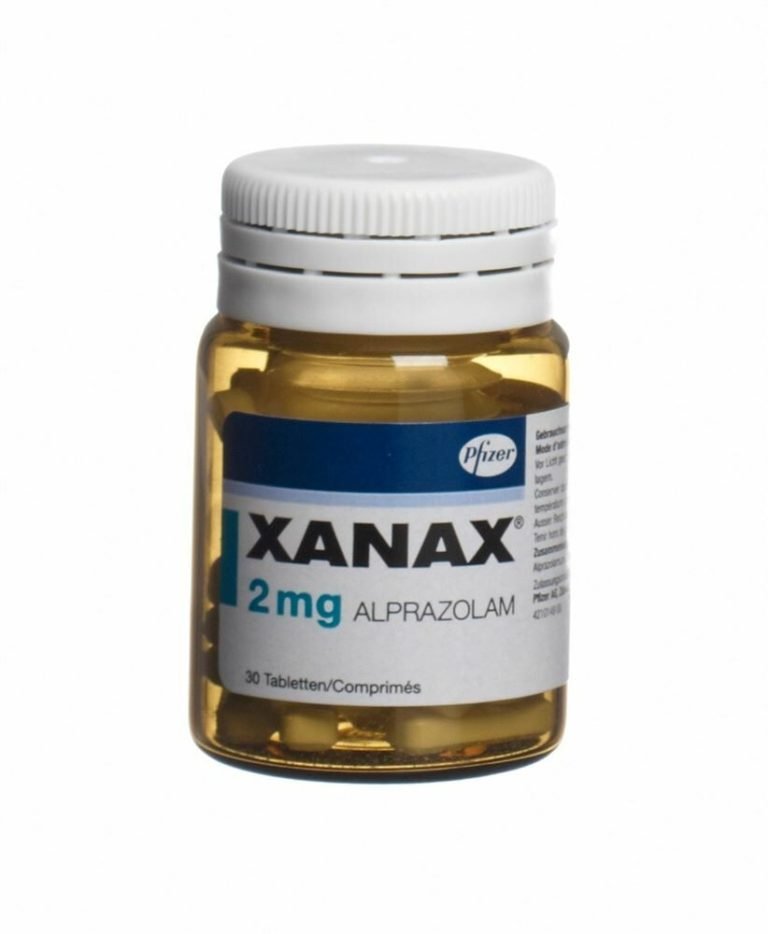
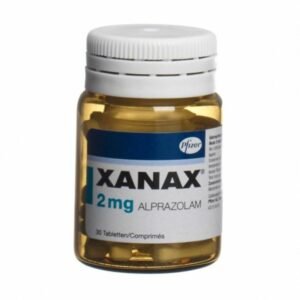
Xanax (Alprazolam) – Prescription Anxiety Medication (USA)
Xanax, containing the active ingredient alprazolam, is a prescription medication in the benzodiazepine class commonly prescribed in the United States for the management of anxiety-related disorders and panic conditions. It works on the central nervous system and must be used under the supervision of a licensed healthcare professional due to its potency and regulatory status.
Alprazolam has been widely used in clinical practice for decades and is recognized for its rapid onset of action and predictable therapeutic effects when prescribed appropriately. It is intended for patients whose symptoms significantly impact daily functioning and quality of life and where medical evaluation supports its use.
What Is Xanax (Alprazolam)?
Alprazolam belongs to a group of medications known as benzodiazepines, which act on the brain to produce a calming effect. In the United States, Xanax is prescribed for specific, diagnosed conditions and is not available over the counter.
Healthcare providers may prescribe alprazolam for individuals experiencing:
-
Generalized anxiety disorder (GAD)
-
Panic disorder, with or without agoraphobia
-
Short-term anxiety symptoms related to acute stress
The medication is available in various strengths and tablet forms, including immediate-release and extended-release formulations, depending on clinical needs.
How Xanax Works
Xanax works by enhancing the activity of gamma-aminobutyric acid (GABA), a neurotransmitter that reduces excessive nerve activity in the brain. GABA plays a key role in regulating mood, stress responses, and emotional balance.
By increasing GABA’s inhibitory effects, alprazolam helps reduce heightened neural signaling associated with anxiety and panic symptoms. This action results in a calming effect on the central nervous system, helping alleviate excessive worry, nervousness, and physical symptoms of anxiety.
Due to its rapid onset, alprazolam is often prescribed for acute symptom relief under carefully controlled conditions.
Medical Use and Clinical Oversight
In the USA, Xanax is available by prescription only. A licensed healthcare provider determines whether alprazolam is appropriate based on:
-
Diagnosis and symptom severity
-
Medical and mental health history
-
Current medications and potential interactions
-
Overall health profile
Regular follow-up appointments may be required to evaluate effectiveness, safety, and continued need for therapy. Alprazolam is commonly used as part of a broader treatment plan that may include therapy, lifestyle modifications, or other medications.
Controlled Substance Classification
Xanax (alprazolam) is classified as a Schedule IV controlled substance under U.S. federal law. This classification reflects its accepted medical use while emphasizing the importance of controlled prescribing and monitoring.
Because of this status:
-
Prescriptions are regulated
-
Refills may be limited
-
Long-term use requires careful medical oversight
Patients are advised to follow all prescribing instructions precisely and to communicate openly with their healthcare provider.
Quality, Authenticity, and Safety
Authentic alprazolam products are manufactured according to strict pharmaceutical quality standards. Tablet shape, color, and imprint markings are used to identify formulation and strength, while regulated packaging ensures product integrity.
In the United States, Xanax should only be obtained from licensed pharmacies or authorized healthcare providers to ensure authenticity, safety, and compliance with federal and state regulations.
Possible Side Effects
Most patients tolerate alprazolam when used as prescribed, though side effects may occur, particularly at the start of treatment.
Common side effects may include:
-
Drowsiness or fatigue
-
Dizziness
-
Dry mouth
-
Mild coordination issues
Less common effects:
-
Memory or concentration changes
-
Mood changes
-
Headache
Serious side effects are rare but require immediate medical attention, especially breathing difficulties, severe confusion, or allergic reactions.
Precautions and Warnings
Xanax should be used cautiously and may not be appropriate for individuals who:
-
Have respiratory disorders
-
Have liver or kidney impairment
-
Have a history of substance misuse
-
Are pregnant or breastfeeding (unless specifically prescribed)
Long-term or abrupt discontinuation may result in withdrawal symptoms. Any changes in treatment should be managed by a healthcare provider.
Drug Interactions
Alprazolam may interact with other substances, including:
-
Alcohol
-
Opioid pain medications
-
Sedatives or sleep aids
-
Certain antidepressants or antifungal medications
Patients should inform their healthcare provider of all medications and supplements before starting Xanax.
Storage and Handling
Xanax should be stored in its original packaging, away from moisture, heat, and unauthorized access. As a controlled prescription medication, it should never be shared with others.
Xanax (Alprazolam) – Product Specifications
| Feature | Details |
|---|---|
| Active Ingredient | Alprazolam |
| Brand Name | Xanax |
| Medication Class | Benzodiazepine |
| Use | Anxiety and panic disorders |
| Onset | Rapid (as prescribed) |
| Administration | Oral |
| Legal Status (USA) | Prescription-only, Schedule IV |
Summary
Xanax (alprazolam) is a prescription benzodiazepine used in the United States for the management of anxiety and panic disorders under medical supervision. Its fast-acting effects and established clinical profile make it a commonly prescribed option when used responsibly. Due to its controlled substance status, professional oversight, patient education, and adherence to medical guidance are essential for safe and effective use.
Reviews
There are no reviews yet.